Optimal Timing for Water Treatments
Water treatments are most effective when performed at specific times to ensure optimal water quality and system efficiency. Proper timing can prevent issues such as scale buildup, corrosion, and microbial growth. Seasonal variations and water usage patterns influence the ideal scheduling for treatments.
Ideal for preparing water systems after winter, addressing mineral buildup and preparing for increased usage.
Effective during high usage periods to maintain water quality and prevent microbial growth.
Prepares water systems for colder months, reducing the risk of freezing and corrosion.
Focuses on protecting equipment from freezing and addressing lingering microbial issues.
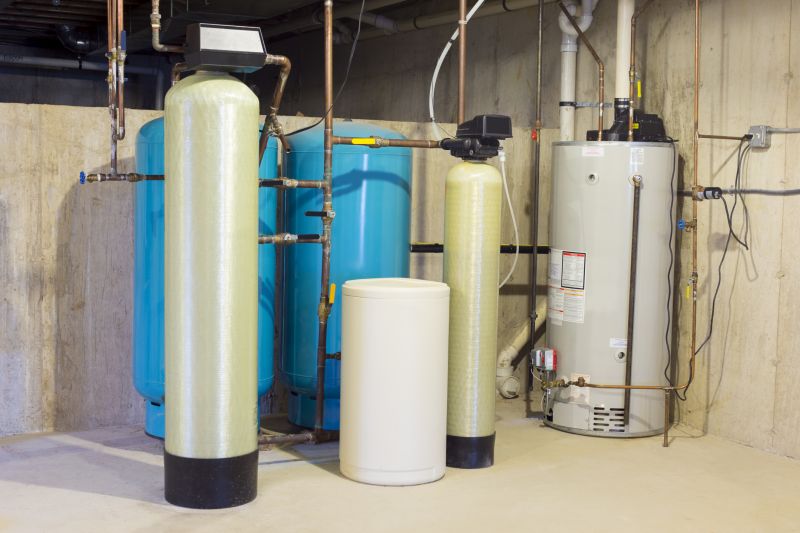
Water treatment systems installed in residential or commercial settings.

Samples collected to analyze mineral content and contamination levels.
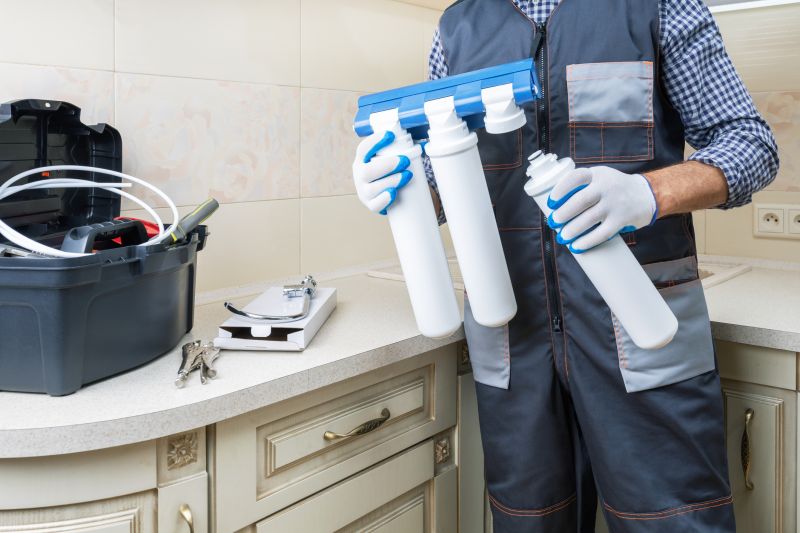
Application of chemicals like chlorine or pH adjusters for water quality control.
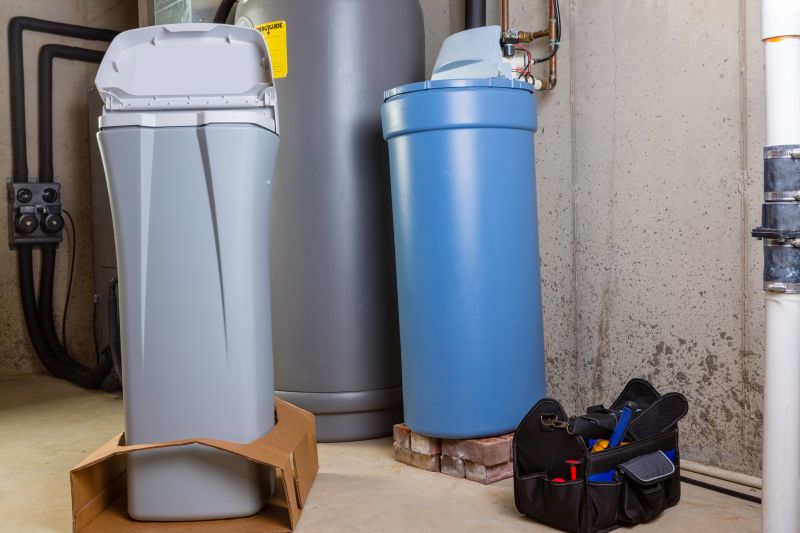
Ways to make Water Treatments work in tight or awkward layouts.
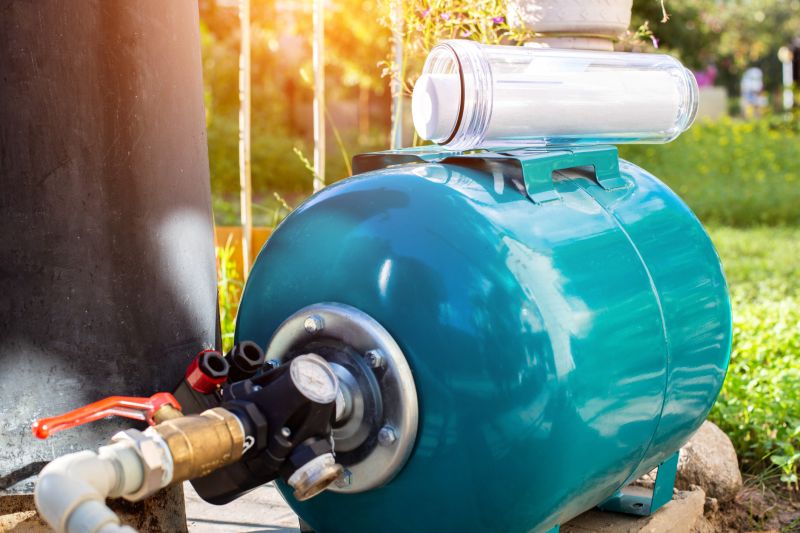
Popular materials for Water Treatments and why they hold up over time.
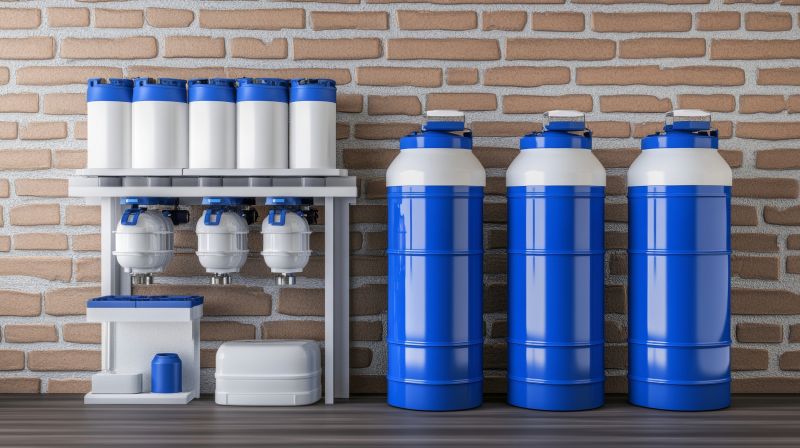
Simple add-ons that improve Water Treatments without blowing the budget.
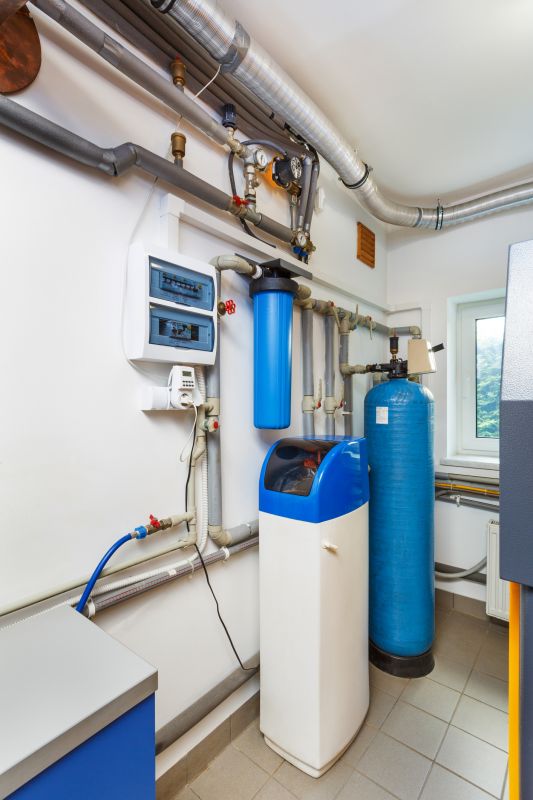
High-end options that actually feel worth it for Water Treatments.
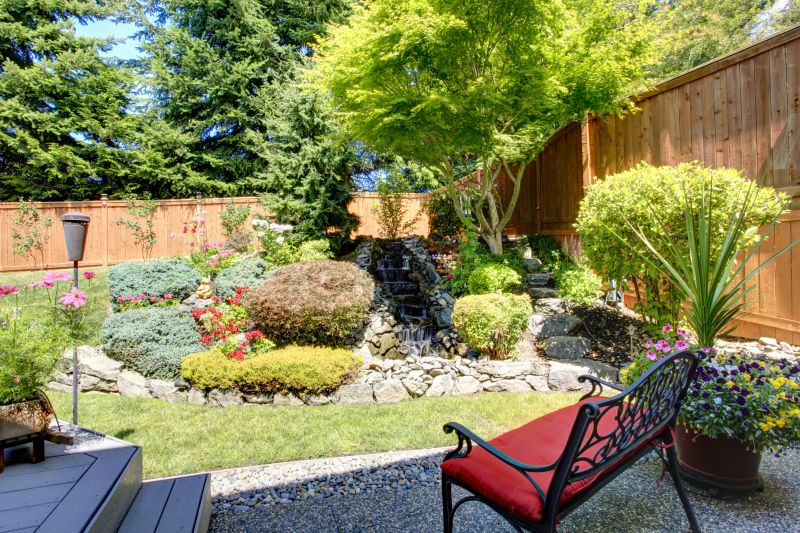
Finishes and colors that play nicely with Water Treatments.
| Season | Recommended Treatments |
|---|---|
| Spring | Mineral scale removal, system flushing |
| Summer | Microbial control, chlorine shock |
| Fall | Corrosion prevention, system cleaning |
| Winter | Freeze protection, microbial suppression |
| Every 6-12 months | Routine testing and maintenance |
Water treatments play a crucial role in maintaining water quality across various applications. They help prevent scale buildup, corrosion, and microbial contamination, ensuring systems operate efficiently and safely. Regularly scheduled treatments can extend the lifespan of equipment and improve water clarity and taste. Statistics indicate that untreated water systems can experience up to 30% efficiency loss due to mineral deposits and biofilm formation, underscoring the importance of timely treatments.
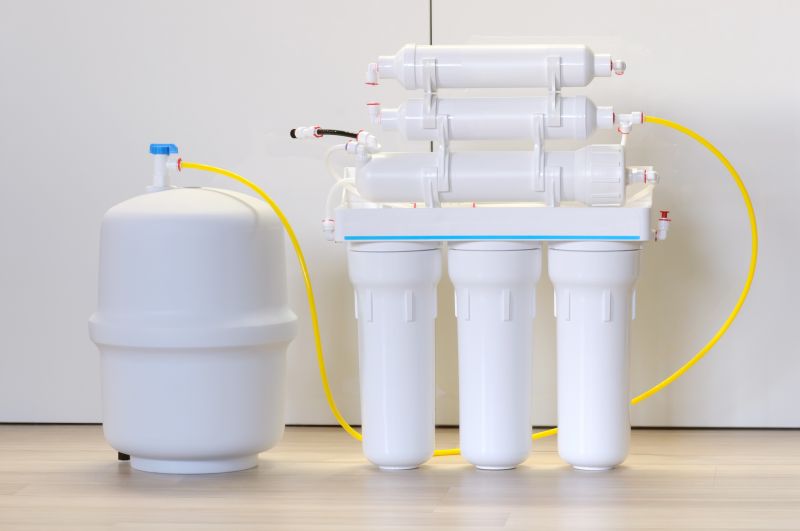
Advanced filtration units removing impurities and contaminants.
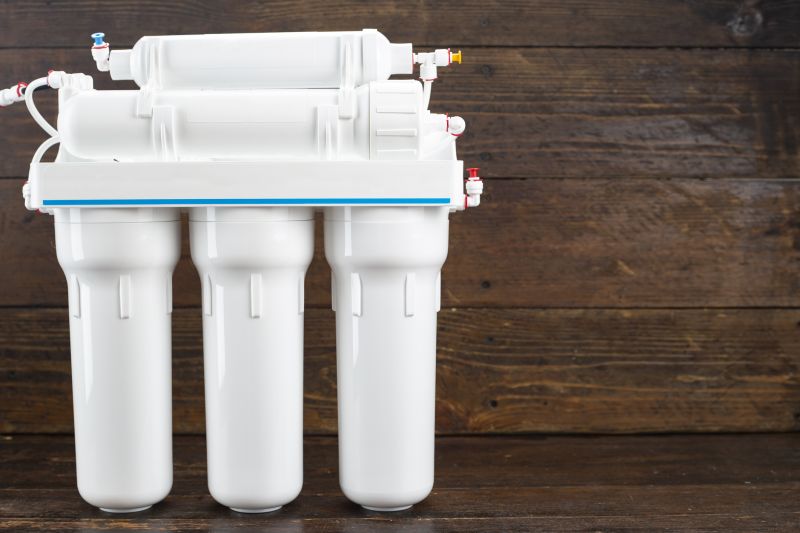
Automated systems for precise chemical treatment delivery.
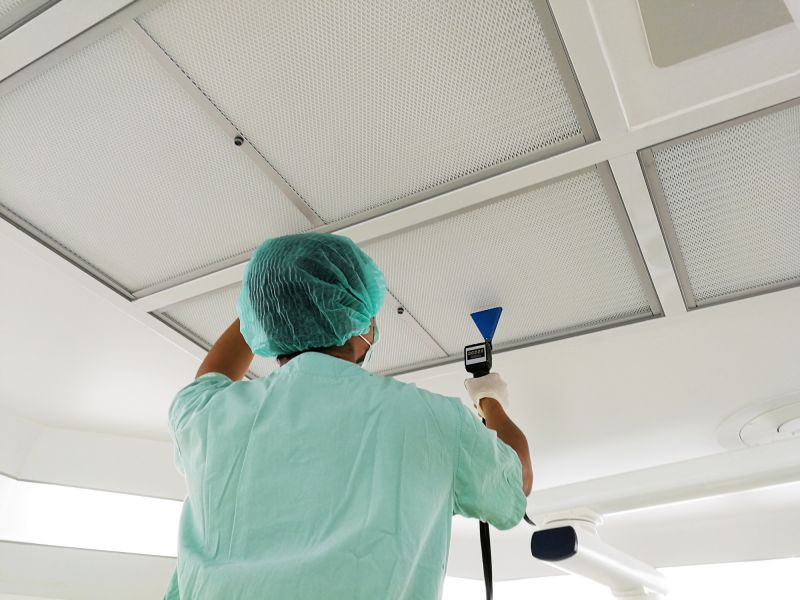
On-site testing for water quality analysis.
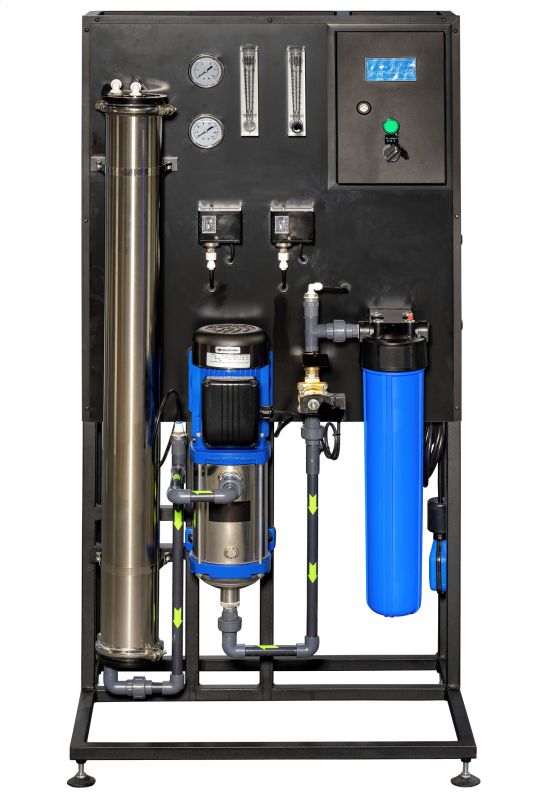
Scheduled inspections and system upgrades.
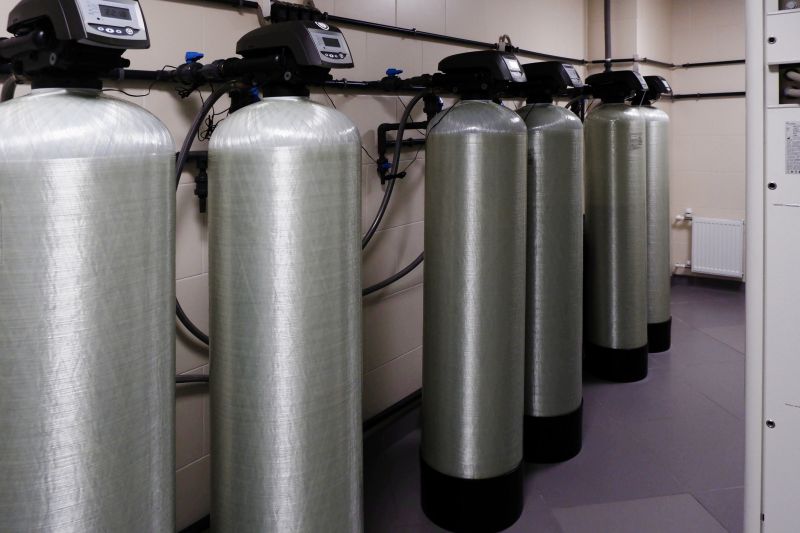
Devices reducing mineral hardness for better water quality.
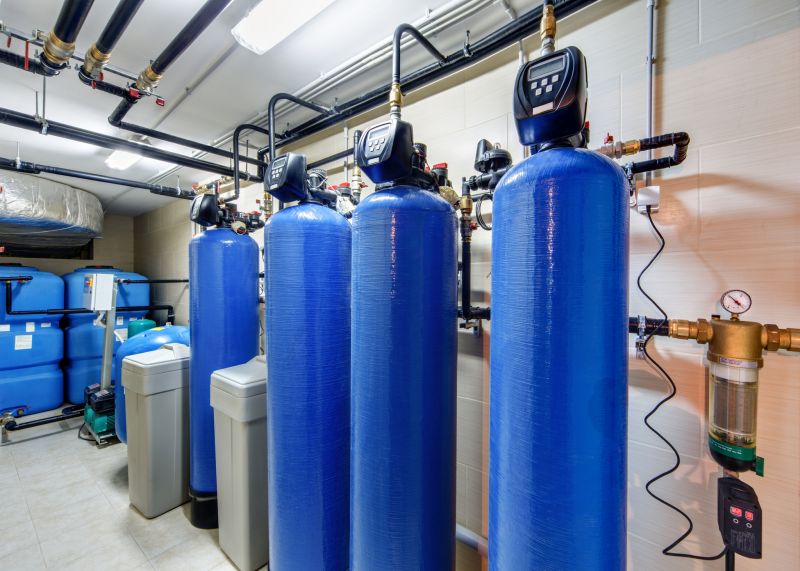
UV and chlorination units for microbial control.
Scheduling water treatments at appropriate times ensures consistent water quality and system longevity. Proper timing minimizes operational disruptions and reduces maintenance costs. Regular assessments and adherence to recommended treatment schedules are essential for optimal performance.